
Insulation debris left behind after renovation or removal work isn’t just messy-it’s genuinely dangerous. Fiberglass particles, asbestos fibers, and moisture-damaged materials can harm your health and damage your home’s structure if not handled properly.
Most homeowners underestimate what’s involved in cleaning this up safely. We at Bumble Bee Cleaning Services have seen too many DIY attempts go wrong, leaving families exposed to serious risks that professionals are trained to handle.
What Makes Insulation Debris So Dangerous
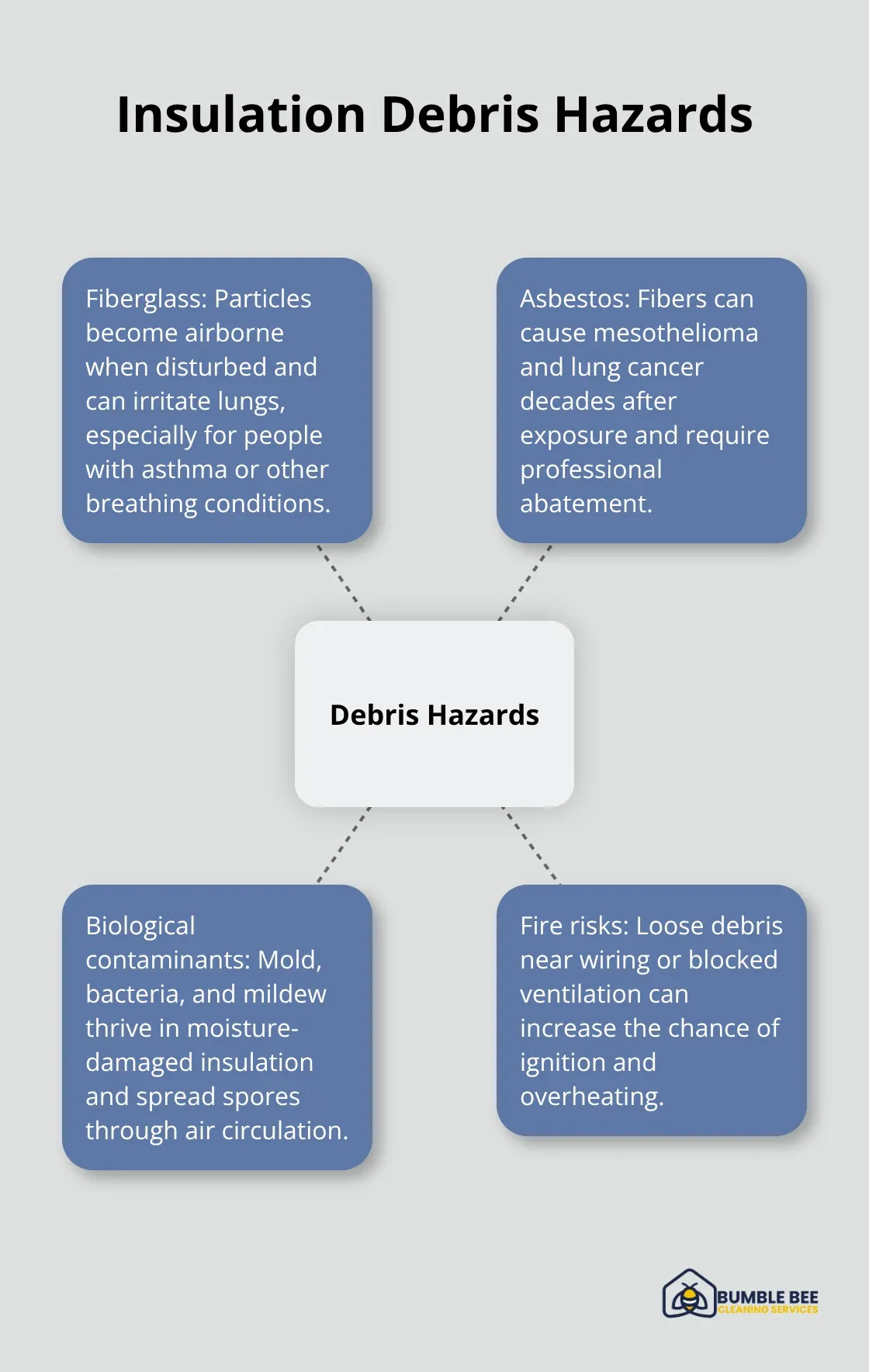
Insulation debris poses three distinct threats that most homeowners don’t recognize until it’s too late. Fiberglass particles become airborne when disturbed, and inhalation irritates your lungs and respiratory system, especially for people with asthma or other breathing conditions. Homeowners who handled their own insulation removal experienced persistent cough and respiratory irritation weeks after cleanup, according to discussions on Mayo Clinic Connect. Asbestos fibers present an even graver risk-they cause mesothelioma and lung cancer decades after exposure, making any potential asbestos contamination a matter for professionals only.
Biological contaminants in your crawl space-including bacteria, molds, mildew, and viruses-directly affect your family’s health as air circulates from below into your living spaces. Moisture-damaged insulation loses its thermal properties and becomes a breeding ground for mold. Mold spores spread through your home’s air ducts and living spaces, triggering allergies, asthma attacks, and chronic respiratory problems. Standing water or high humidity in crawl spaces causes wood framing to rot, concrete to deteriorate, and structural integrity to fail-repairs that cost thousands more than proper cleanup would have.
Fire Risks From Scattered Debris
Improperly removed insulation debris creates fire hazards that extend beyond what most homeowners anticipate. Loose fiberglass or rockwool materials scattered across joists or near electrical wiring increase fire risk significantly. Debris blocking ventilation systems can cause overheating and ignition. Seattle’s damp climate makes moisture control non-negotiable; without proper vapor barriers and drainage installed during professional cleanup, your crawl space becomes a perpetual moisture problem that worsens structural damage year after year.
Why DIY Approaches Miss Hidden Dangers
You cannot identify asbestos by looking at it, and many older Seattle homes contain asbestos-laden insulation that requires certified abatement professionals. Standard home improvement stores do not stock the equipment needed for safe insulation debris removal-you need HEPA-filtered air scrubbers, negative air machines, and industrial dehumidifiers that professionals maintain and operate correctly. Wearing a basic dust mask provides almost no protection against fiberglass or asbestos fibers; you need a properly fitted respirator, full-body protective gear, and containment barriers to prevent cross-contamination to other rooms. Most DIY attempts release harmful substances that seep into your home’s air supply instead of containing it, spreading the problem throughout your home.
The physical demands of crawl space cleanup (combined with the technical expertise required) make this work unsuitable for homeowners. Professionals crawl under homes and wear protective gear specifically designed for hazardous material exposure. They understand how to contain debris, operate specialized equipment, and dispose of materials according to Seattle’s solid waste regulations. Your next step involves understanding what separates professional cleanup from amateur attempts-and why that difference matters for your family’s safety and your home’s long-term condition.
Why DIY Cleanup Doesn’t Work
Equipment You Don’t Have Access To
Your garage doesn’t contain the specialized tools that professionals use for insulation debris removal. HEPA air scrubbers, negative air machines, and industrial dehumidifiers represent expensive equipment that requires proper training to operate safely. A standard shop vacuum fails to capture fiberglass particles-those fibers are so small they pass straight through standard filters and return to your breathing air. Professionals maintain calibrated equipment specifically designed to contain and filter hazardous particles.
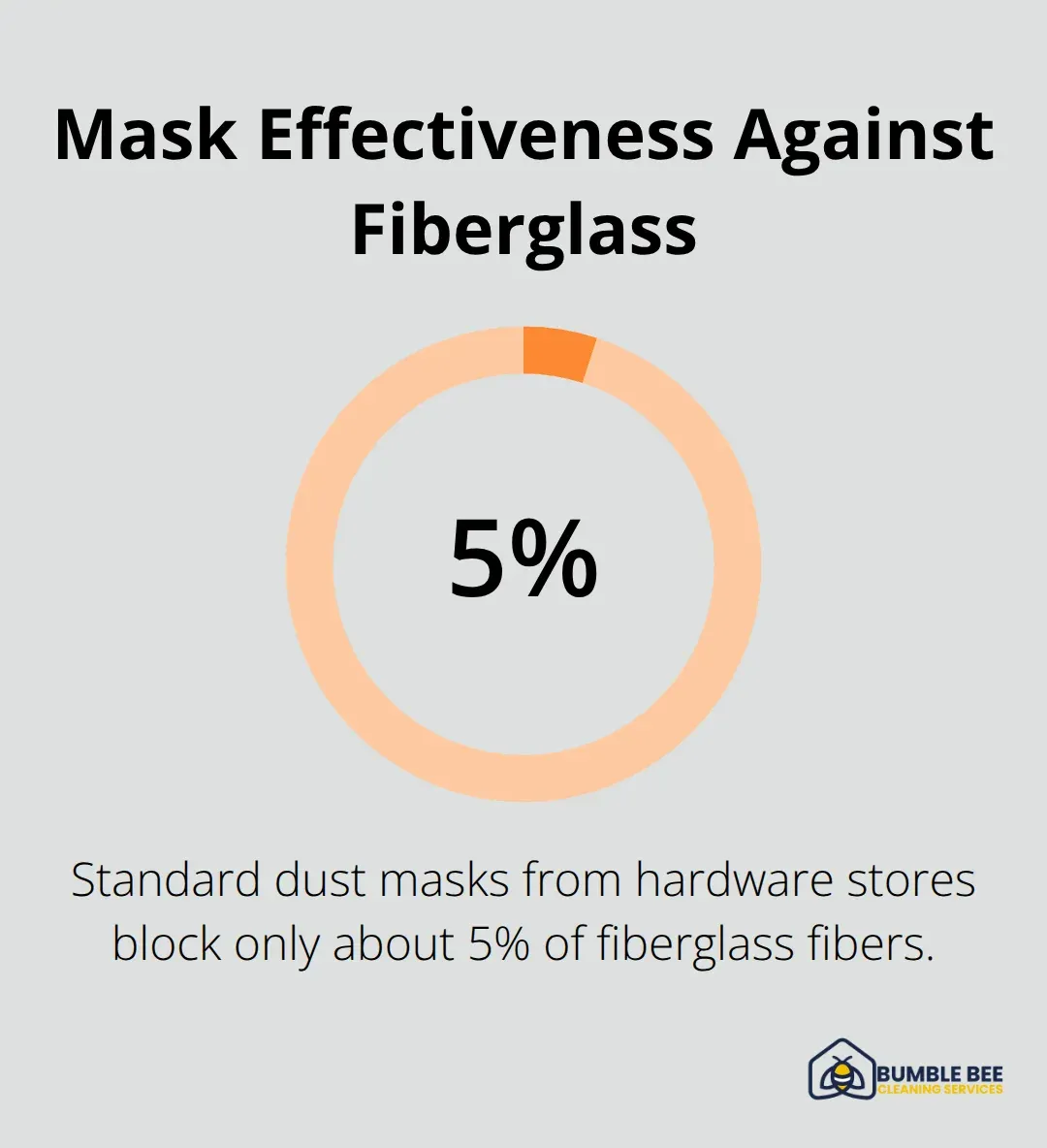
You also cannot purchase the protective gear needed for real safety. A standard dust mask from the hardware store stops maybe 5 percent of fiberglass fibers. You need a properly fitted respirator with replaceable cartridges, full-body protective clothing, and eye protection. Even with the right gear, most homeowners lack the knowledge to seal off work areas and prevent cross-contamination.
Insulation particles escape containment barriers and drift into bedrooms, kitchens, and living spaces where your family breathes them in for weeks after cleanup ends. Seattle’s humid climate makes this worse-moisture in the air carries particles further into your home.
Asbestos and Hidden Contamination
Asbestos looks identical to fiberglass insulation to the naked eye. Homes built before the 1980s in Seattle commonly contain asbestos-laden insulation, pipe wrap, and joint compound. Disturbing asbestos without professional abatement releases fibers that cause mesothelioma and lung cancer decades later. You cannot test materials yourself safely-sampling for asbestos requires certified professionals who know how to collect samples without releasing fibers.
Even if you hire a lab to test insulation, you still face the problem of safe removal once asbestos is confirmed. Washington State requires licensed asbestos abatement contractors to handle removal. Moisture-damaged insulation also hides mold colonies that aren’t visible from the surface. Professionals use thermal imaging and moisture mapping to identify problem areas you’d miss completely. They know where water intrusion patterns develop in Seattle crawl spaces and which materials must be replaced versus salvaged. You’d likely leave contaminated sections behind, thinking the cleanup was complete.
The Physical and Regulatory Demands
Professional crawl space cleanup typically takes 2 to 4 days because technicians work methodically with proper containment and safety protocols. A homeowner attempting the same job often takes weeks of weekends, working in uncomfortable positions under homes while wearing protective gear in summer heat. You crawl through tight spaces, handle heavy wet insulation, operate unfamiliar equipment, and constantly stop to rest. Most people underestimate the physical demands and abandon the project halfway through, leaving debris scattered and moisture problems unsolved.
Seattle’s solid waste regulations also require proper disposal documentation. SPU solid waste plan review under Land Use Code SMC 23.54.040 mandates that insulation debris goes into appropriate containers-typically 2 to 4-yard dumpsters or roll-off containers supplied by licensed private vendors. You cannot simply throw contaminated insulation in your regular trash. Renting equipment, purchasing protective gear, obtaining disposal containers, and spending your own time adds up to costs that rival professional pricing. The complexity of post-construction cleanup means that what appears to be a cost-saving DIY project actually demands significant investment and expertise. Understanding what professionals bring to the table-beyond just equipment and training-reveals why the next step involves recognizing the specific qualifications that separate legitimate cleanup services from amateur attempts.
What Seattle Professionals Actually Do During Cleanup
Assessment and Planning
Professional insulation debris cleanup starts with a thorough contamination assessment where technicians use air quality testing, moisture mapping, and thermal imaging to identify exactly what you’re dealing with. This assessment takes 2 to 4 hours and reveals hidden mold colonies, moisture intrusion patterns, and whether asbestos is present. Homes built before the 1980s are the most likely to contain asbestos, and professionals collect samples using certified procedures that prevent fiber release during testing. Once contamination is identified, technicians create a detailed removal plan specific to your home’s layout, crawl space access, and material types.
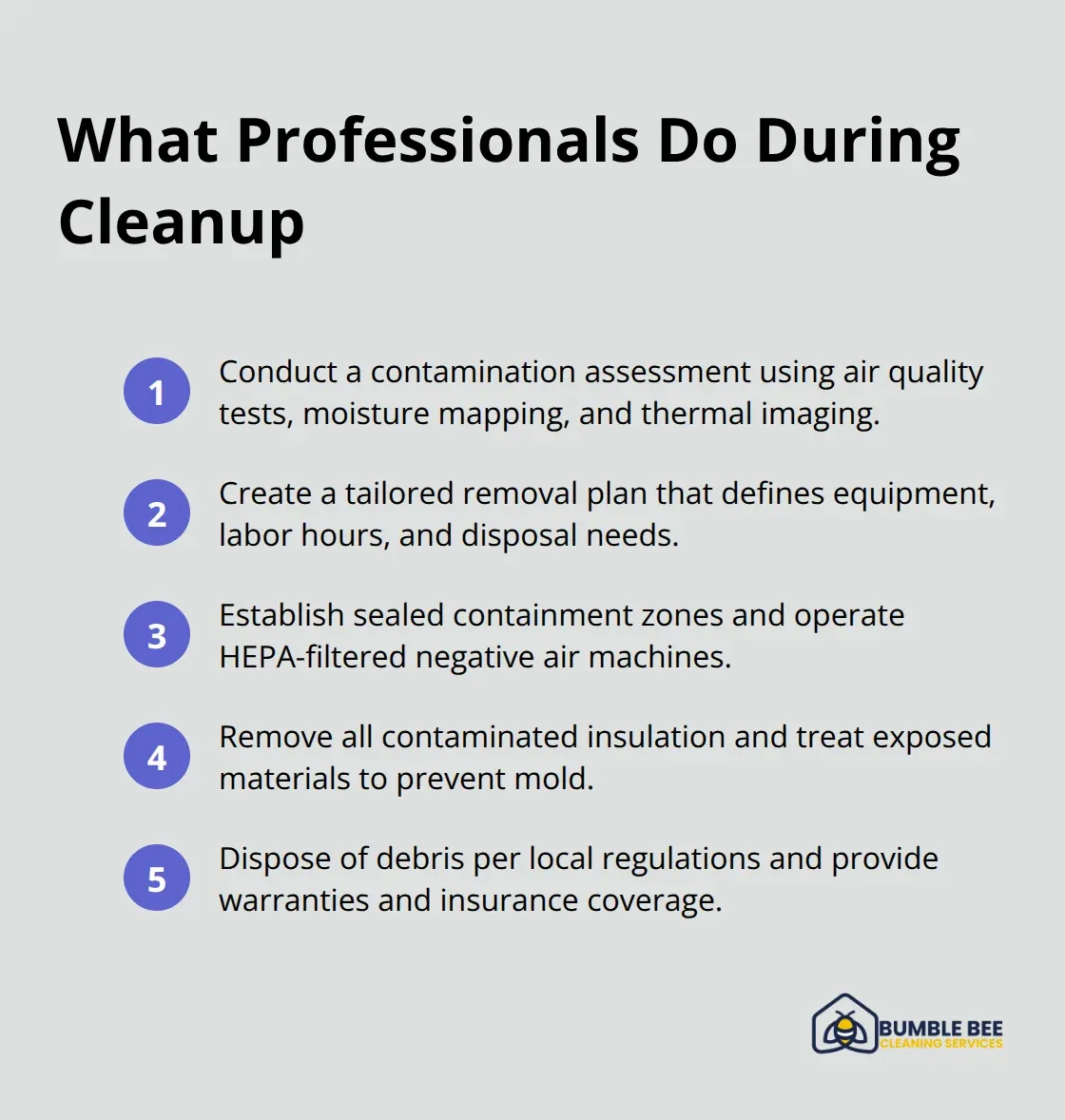
This planning phase determines equipment needs, labor hours, and disposal requirements that feed directly into your final cost. Seattle crawl space cleanup typically costs $8 to $15 per square foot, with most projects ranging from $3,500 to $8,500 depending on contamination severity and crawl space size. Without this assessment phase, you’re flying blind.
Containment and Removal Operations
The actual removal process demands equipment and protocols that separate professionals from DIY attempts. Technicians establish sealed containment zones using plastic barriers and negative air machines that pull contaminated air through HEPA filtration systems, preventing particles from escaping into your living spaces. They remove 100 percent of contaminated insulation, treat exposed wood with mold-inhibiting compounds, and seal concrete surfaces. Installation of new vapor barriers with sealed seams controls moisture year-round in Seattle’s damp climate. Post-cleanup air quality verification testing confirms that contamination levels meet safe standards before you occupy the space. Projects typically complete within 2 to 4 days because professionals work systematically with proper containment rather than stopping and starting around your family’s schedule.
Disposal and Regulatory Compliance
Disposal follows SPU solid waste regulations under Land Use Code SMC 23.54.040, with insulation debris placed in appropriate 2 to 4-yard dumpsters or roll-off containers supplied through licensed private vendors. Professionals understand Seattle’s waste management requirements and handle documentation that homeowners often overlook. This compliance protects you from potential fines and ensures materials reach proper disposal facilities rather than landfills where contamination spreads. Licensed contractors maintain relationships with waste vendors and know exactly which containers work for your project size and debris type. The regulatory landscape changes periodically, and professionals stay current with updates that affect how debris must be handled and documented.
Warranties and Insurance Protection
Professional cleanup services back their work with warranties and insurance coverage that protect your property during the entire process. A 5-year mold prevention warranty and 5-year labor warranty provide peace of mind that problems won’t resurface months after completion. Insurance coverage (typically $2 million) protects your home if equipment damage or accidents occur during the project. These protections represent real financial security that DIY work cannot offer-if something goes wrong with your own cleanup attempt, you bear the full cost of repairs or health consequences.
Final Thoughts
Insulation debris exposes your family to fiberglass particles, asbestos fibers, and mold spores that trigger respiratory problems, structural damage, and long-term health risks. DIY attempts fail because homeowners lack the specialized equipment, protective gear, and knowledge to contain contamination safely. You cannot identify asbestos visually, operate HEPA filtration systems correctly, or navigate Seattle’s solid waste regulations without professional training.
Professional cleanup services bring certified expertise that protects your home and family. Technicians perform thorough contamination assessments using thermal imaging and moisture mapping to identify hidden problems. They establish sealed containment zones, remove 100 percent of contaminated materials, and install vapor barriers that control moisture year-round in Seattle’s damp climate. Post-cleanup air quality verification testing confirms that your crawl space meets safe standards before you occupy the space.
The financial protection matters too-professional services back their work with 5-year mold prevention warranties, 5-year labor warranties, and $2 million insurance coverage. Licensed contractors handle disposal according to SPU solid waste regulations, preventing fines and ensuring materials reach proper facilities. Contact us for a comprehensive assessment and discover why professional cleanup costs less than the health risks and structural damage that DIY attempts create.
