
Losing part of your security deposit to cleaning charges is frustrating and often preventable. Landlords inspect move-out properties against strict standards, and most tenants don’t know what those standards actually are.
We at Bumble Bee Cleaning Services help tenants understand exactly what landlords expect during tenant move out cleaning inspections. This guide walks you through the specific requirements, room-by-room tasks, and why professional cleaning protects your deposit.
What Landlords Actually Inspect
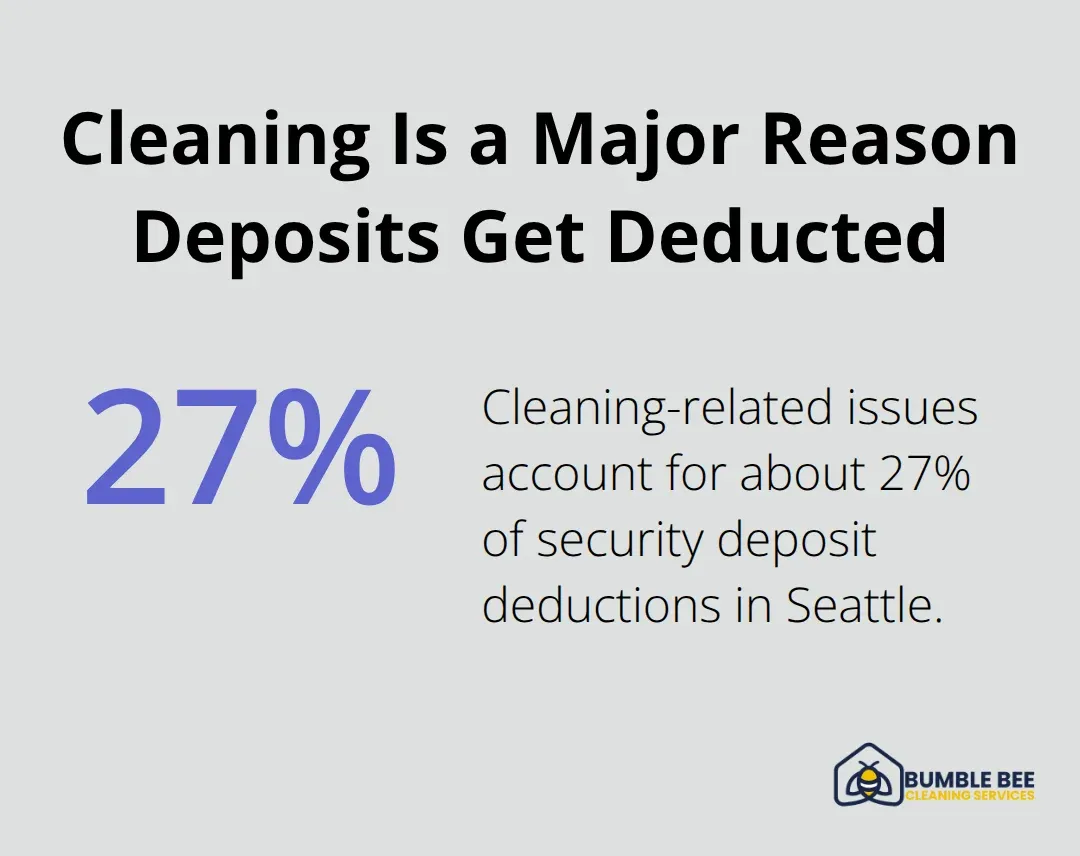
Landlords work from detailed checklists during move-out inspections, and they apply strict cleanliness standards tied directly to deposit deductions. Cleaning-related issues account for about 27% of security deposit deductions in Seattle, making it the second-largest deduction category after damage. Your cleaning approach directly impacts whether you recover your full deposit. Landlords compare the unit’s current condition against how it looked when you moved in, and they prioritize kitchens and bathrooms first. These two rooms reveal dirt, grime, and neglect faster than any other space.
Your lease likely requires you to return the unit in the same condition as move-in, and that standard holds legal weight. Washington state law RCW 59.18.280 requires landlords to return security deposits within 30 days and provide an itemized deduction statement, so any charges must be documented and defensible. Deductions for cleaning are legal only if the property falls below the move-in cleanliness standard-normal wear and tear cannot be charged. This distinction matters enormously because it shifts the burden onto landlords to prove the unit was cleaner when you arrived.
Areas That Fail Inspection Most Often
Kitchen appliances, especially the inside of refrigerators, ovens, and stovetops, fail inspection constantly because landlords expect them spotless, not just surface-clean. The range hood filter, which many tenants overlook entirely, gets scrutinized because grease buildup signals poor maintenance. Bathroom grout, mold behind toilets, and soap scum on tile are inspection killers. Baseboards throughout the unit collect dust and pet hair that remains invisible until someone inspects closely.
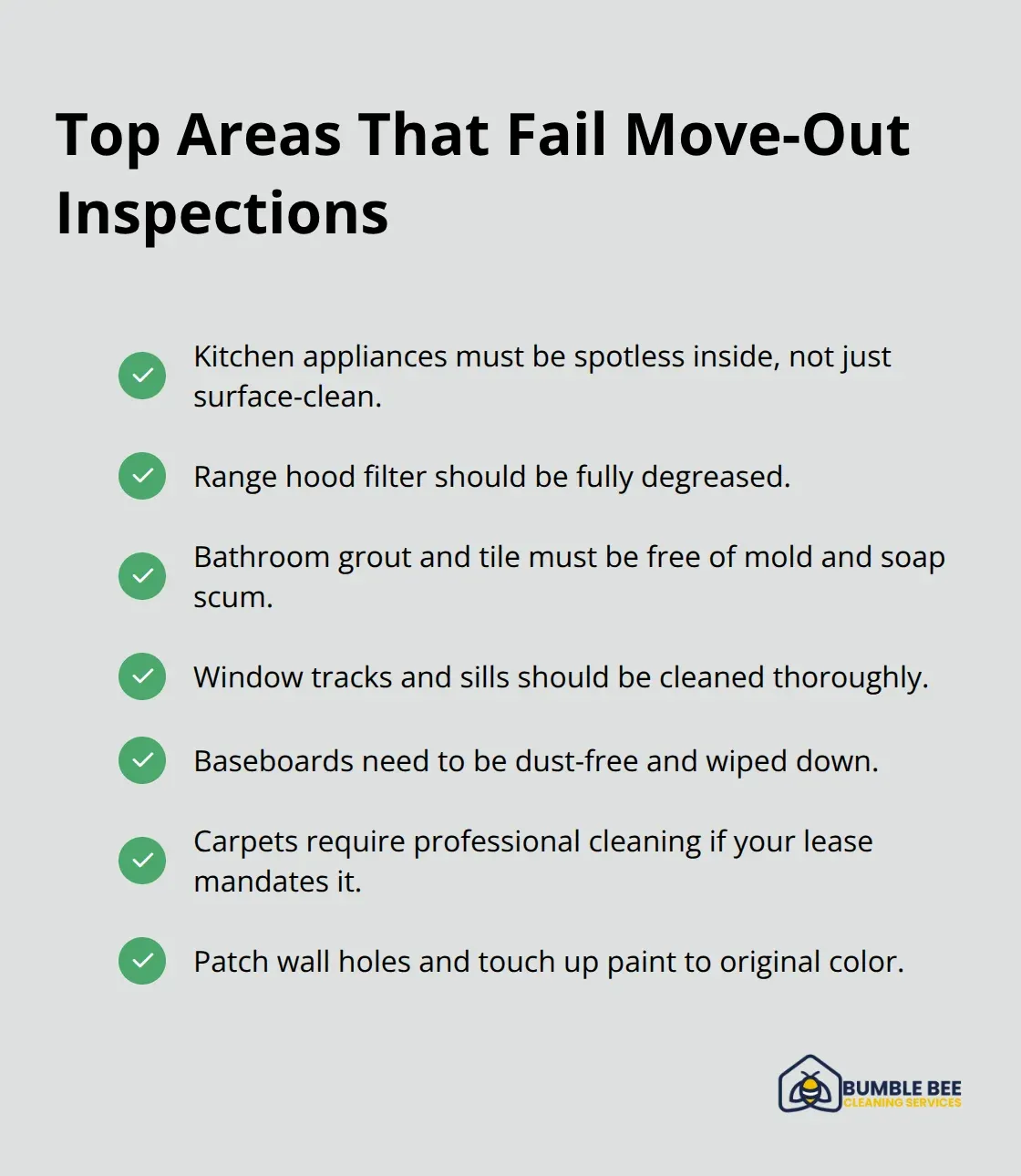
Windows, especially tracks and sills, receive systematic checks because they photograph easily and provide clear documentation. Carpet stains, burns, and heavy wear trigger automatic deductions if your lease requires professional carpet cleaning (which is standard in most rental agreements). If carpet cleaning is required and you skip it, that becomes a straightforward deduction your landlord can justify. Wall damage, even small nail holes and scuffs, gets noted because repairs cost money and require time. Many tenants assume light damage is acceptable, but landlords factor in patching, sanding, and touch-up painting when calculating deductions.
How Documentation Protects You
Timestamped photos from the same angles at move-out that you used at move-in create undeniable evidence of your cleaning work. The case Goodwill v. Madison Real Estate established that landlords must attach invoices and estimates for deductions; vague charges lack legal standing. This ruling protects you because your landlord cannot simply claim the unit was dirty without documentation. If you hire professionals, request before-and-after photos as part of the service. Professional documentation aligns with Washington standards and strengthens your position if a dispute arises over your deposit. Keep receipts for any cleaning supplies or professional services you use, as these invoices support your case if you need to challenge deductions later. A detailed move-in inspection report with dated photos signed by both you and your landlord at the start of your tenancy serves as your best defense. When you repeat those photos from identical angles at move-out, you show exactly what changed during your occupancy. Schedule a pre-inspection about two weeks before your actual move-out date to catch issues your landlord might flag, giving you time to fix problems without rushing.
Now that you understand what landlords inspect and how documentation protects you, the next section breaks down exactly what each room requires to pass inspection.
Room-by-Room Move-Out Inspection Standards
Kitchen Deep Cleaning That Passes Inspection
Your kitchen determines whether you recover your full deposit more than any other room. Landlords inspect inside appliances first, and most tenants clean only surfaces. Empty your refrigerator completely and remove shelves and drawers, then wash them in warm soapy water with a food-safe solution like vinegar and water. Wipe the fridge interior thoroughly, paying special attention to corners where spills accumulate and dry. Pull your stove away from the wall and clean behind it, where grease and food debris settle invisibly. Apply heavy-duty oven cleaner the night before your inspection, allowing it to sit overnight for maximum effectiveness. The range hood filter traps grease that signals poor maintenance to inspectors, so soak it in hot water and degrease it completely. Wipe all cabinet exteriors and backsplashes with a degreaser, then sanitize your sink and disposal with a food-safe cleaner. Replace cabinet liners if they’re worn, as fresh liners dramatically improve the sparkle factor landlords notice immediately. Run your dishwasher empty with white vinegar to eliminate odors and buildup.
Bathroom Sanitization Standards
For bathrooms, mold and soap scum are inspection killers that trigger automatic deductions. Clean grout with a baking soda paste, scrubbing thoroughly because stained grout photographs poorly and provides clear evidence of neglect. Remove soap scum from tile with a specialized cleaner, allowing it to sit for several minutes before scrubbing. Clean behind and under the toilet base, where mold hides and inspectors look specifically. Replace caulk around the tub and toilet if it’s heavily stained or peeling, using mold-resistant silicone caulk that prevents future growth. Polish mirrors and chrome fixtures until they shine, as reflective surfaces catch light and make bathrooms appear cleaner. Clean your exhaust fan by removing the cover and wiping accumulated dust and moisture.
Bedrooms, Living Spaces, and Flooring
Bedrooms and living spaces require systematic attention to details most tenants overlook. Dust all surfaces including ceiling fans, light fixtures, and the top of doorframes where dust settles. Wipe down doors and door frames, including kitchen and bathroom cabinet faces, because clean surfaces dramatically increase perceived cleanliness during walkthrough. Clean both sides of windows including tracks and sills, using distilled water for the final rinse to avoid streaks that signal poor cleaning. Vacuum carpets thoroughly, including under furniture and along baseboards where pet hair accumulates. If your lease requires professional carpet cleaning, schedule it during your move-out process because skipping this step triggers automatic deductions landlords can justify. Carpet stains, burns, or pet damage can be charged even on older carpet if your lease mandates cleaning. Dust and wipe baseboards throughout the unit with a damp cloth, as baseboards collect pet hair and dust that remains visible during inspection. Patch all wall holes and repair drywall damage, then touch up paint to match the original color as closely as possible. Landlords compare wall condition to move-in photos, so any unrepaired damage becomes a deduction. Sweep and mop all hard floors thoroughly, removing dust and debris that accumulate in corners.
Documentation That Protects Your Deposit
Take timestamped photos of every room after cleaning from the same angles you photographed at move-in, documenting your cleaning work before your landlord inspects. This visual evidence proves you completed the work to professional standards and protects you if disputes arise over deposit deductions. Professional cleaning services often provide before-and-after photos as part of their documentation, which strengthens your position significantly. Your landlord cannot challenge work that photographs clearly and aligns with move-in condition records.
Why Professional Move-Out Cleaning Wins Over DIY
The Hidden Costs of DIY Cleaning
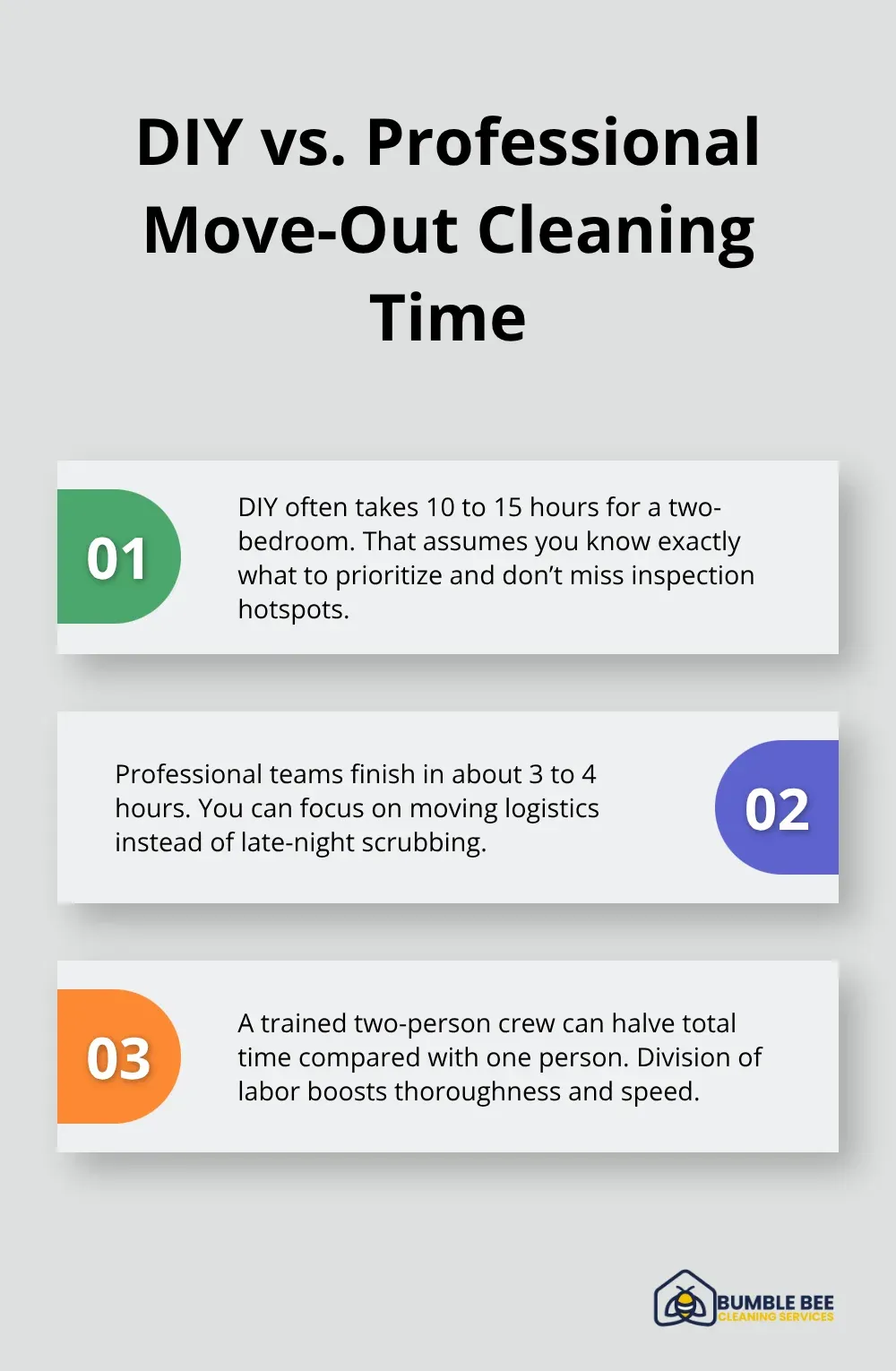
DIY move-out cleaning fails because tenants underestimate what landlords actually inspect and miss high-impact areas that trigger deductions. A typical two-bedroom apartment requires 10 to 15 hours of labor when you handle it yourself, and that timeline assumes you know exactly what to prioritize. Most tenants spend time on visible surfaces while overlooking the areas landlords scrutinize hardest: inside appliances, grout lines, behind fixtures, and baseboards. Professional cleaners follow systematic checklists aligned with industry standards, which means they catch what you’ll miss. The cost difference matters less than most tenants think: typical Seattle move-out cleaning costs range from $150 to $400 depending on property size, while a single missed area can cost you $200 to $500 in unjustified deductions. If your security deposit exceeds $1,000, professional cleaning often pays for itself through preventing larger deductions that landlords justify through vague cleaning charges.
Industry Standards That Protect Your Deposit
Professional teams use ARCSI and IICRC-certified protocols that represent standardized cleaning protocols protecting both property and occupant health, ensuring every room meets the exact standards landlords enforce during inspection. These standards aren’t theoretical-they’re developed through rigorous consensus with industry input and serve as the legal foundation for cleaning expectations across rental agreements. When you hire professionals, you receive before-and-after documentation that photographs clearly and protects you if your landlord disputes any deductions later. Professional cleaners know that kitchen appliances and bathroom fixtures receive the most scrutiny, so they allocate time and expertise where it matters most for your deposit recovery.
Time Savings and Efficiency
Professional teams complete the work in 3 to 4 hours for a two-bedroom apartment, compared to your 10 to 15 hours, which means you can focus on coordinating your actual move instead of scrubbing grout at midnight before inspection. A trained two-person crew can often halve the total cleaning time compared with a single person working alone, which means the work gets done faster and more thoroughly because one person can focus on detail work while the other handles larger areas. Professional cleaners eliminate the risk of negligence deductions that landlords apply when they find overlooked problems during walkthrough.
Contractual Obligations and Carpet Cleaning
Landlords expect carpet to be professionally cleaned if your lease requires it, and skipping this step triggers an automatic deduction because it’s a contractual obligation, not a judgment call. Professional carpet cleaning services have the equipment and expertise to remove stains and restore appearance to standards that DIY methods cannot match. This single service often determines whether you recover your full deposit or face substantial deductions for carpet condition.
Documentation That Stands Up to Scrutiny
Professional cleaners document their work with timestamped photos from angles that match your move-in inspection photos, creating undeniable evidence that protects you against any cleaning-related deductions your landlord might attempt. Schedule professional cleaning toward the end of your move, after furniture and boxes are out, so cleaners work efficiently without obstacles and can deliver the pristine condition that passes inspection every time.
Final Thoughts
Move-out cleaning determines whether you recover your full security deposit or face unexpected deductions that feel unfair because you didn’t know what landlords actually inspect. Kitchens and bathrooms receive the most scrutiny, overlooked areas like baseboards and appliance interiors trigger the largest deductions, and documentation protects you when disputes arise. Tenant move out cleaning that meets landlord expectations requires systematic attention to detail, knowledge of what inspectors prioritize, and the discipline to photograph your work before handing over keys.
Professional cleaning services eliminate the guesswork and time burden that makes DIY approaches risky. You avoid the 10 to 15 hours of labor required for thorough cleaning while gaining before-and-after documentation that protects your deposit against any cleaning-related deductions. Professional teams know exactly where landlords look hardest and allocate expertise where it matters most for your deposit recovery (a single missed area costs you hundreds in unjustified deductions).
Bumble Bee Cleaning Services offers ARCSI and IICRC-certified move-out cleaning with a 100% quality service guarantee and addresses any landlord-identified issues at no extra charge. Contact them at 425-786-1360 or info@qbclean.com to schedule your move-out cleaning and protect your deposit with confidence.
For more information about our cleaning services in Seattle and Atlanta, or to request a cleaning quote, call or text us at 425-786-1360 or email us at info@qbclean.com
