
Construction work leaves behind more than just finished spaces-it leaves dust, debris, and contamination in places you can’t see, like your attic. This buildup blocks attic ventilation, traps moisture, and degrades indoor air quality for months after work ends.
We at Bumble Bee Cleaning Services have seen countless Seattle homes suffer structural damage and health problems from neglected post-construction attics. Professional cleaning isn’t optional after major work-it’s a necessity.
Why Post-Construction Attic Cleaning Matters
Construction work generates silica dust, wood particles, cement debris, and insulation fragments that settle directly into your attic. These materials don’t stay isolated-they infiltrate living spaces through gaps around attic doors, vents, and poorly sealed penetrations. The EPA reports that airborne dust particles from construction travel throughout a home within hours, and silica dust can lead to silicosis, lung cancer, and other respiratory diseases. Wood dust triggers allergic reactions and asthma-like symptoms in occupants below. Construction debris blocks attic ventilation, trapping moisture that accelerates insulation degradation and creates conditions for mold growth. Cement dust causes skin irritation and dermatitis on contact, while asbestos fibers released during renovation work in older Seattle homes present an even graver threat. These health effects often develop years or decades after exposure, making prevention far more effective than treatment.
How Construction Dust Reaches Your Living Spaces
Your attic isn’t sealed off from the rooms below. Small gaps around attic hatches, inadequate weatherstripping, and holes around penetrations create direct pathways for dust and dander to migrate downward. Once attic ventilation becomes clogged with construction debris, air pressure imbalances force contaminated air into your home’s HVAC system and through structural gaps. Families report increased dust accumulation on surfaces, worsening allergies, and musty odors weeks after construction ends. The IICRC S500 Standard for Professional Water Damage Restoration and S400 Standard for cleaning built environments both emphasize that post-construction attic cleanup prevents long-term indoor air quality degradation. Professional cleaning removes debris at the source rather than spreading it further through dry sweeping or inadequate vacuuming. HEPA-filtered equipment captures particles smaller than 0.3 microns, which standard household vacuums miss entirely. Wet-cleaning methods prevent dust from becoming airborne during removal, protecting your family during the cleanup process itself.
Structural Damage That Develops Silently
Construction debris accumulation damages your attic’s structural integrity and insulation performance. Debris settles on insulation batts, compressing them and reducing their R-value significantly. Blocked soffit vents prevent air circulation, causing moisture to accumulate in rafters and sheathing. Wood framing exposed to sustained moisture develops rot and becomes vulnerable to pest infestation. The cost of replacing damaged insulation, repairing rotted wood, or treating mold infestations runs thousands of dollars-expenses entirely preventable through professional post-construction cleaning. Seattle’s climate makes this particularly critical, as wet seasons amplify moisture problems in attics with compromised ventilation. These hidden costs make identifying the signs of post-construction attic contamination essential before structural problems compound.
Signs Your Attic Needs Professional Cleaning
Construction dust settles quietly into your attic, and contamination spreads through your home before you notice anything wrong. Catching warning signs early prevents structural damage and health issues from compounding. Climb into your attic with a flashlight within two weeks of construction completion and look for visible warning signs.
Visible Dust and Construction Debris
White, gray, or tan dust coats insulation, rafters, and attic floor surfaces in contaminated attics. Construction debris includes fragments of drywall, wood shavings, concrete particles, and insulation batts scattered across your attic floor. More than light dusting signals that professional cleaning is necessary. Inspect soffit vents and ridge vents for blockages-clogged vents prevent the continuous air exchange your attic needs and create moisture conditions that trigger mold growth within weeks. Many Seattle homeowners miss this inspection step and end up dealing with mold problems by fall.
HVAC System and Ductwork Contamination
Dust accumulation inside ducts restricts airflow and forces contaminated air into living spaces below. Check your ductwork carefully during your attic inspection. Visible dust coating the interior of ducts indicates that construction debris has infiltrated your HVAC system and is circulating through your home. This contamination reaches family members directly through the air you breathe.
Odors and Air Quality Changes
Construction generates musty, acrid odors from cement dust, wood particles, and trapped moisture. A fresh, clean attic should have minimal odor. If your attic smells stale or chemical-tinged, contamination is present and spreading downward. Inside your home, increased dust on furniture and surfaces-particularly in rooms directly below the attic-signals that construction debris migrates through gaps and your HVAC system. Worsening allergies or asthma symptoms in household members correlate strongly with attic dust infiltration.
Insulation Condition and Compression
Check your insulation condition closely. Compressed insulation batts with visible dust and debris coating indicate moisture problems and contamination accumulation. Properly functioning insulation appears fluffy and undisturbed. Matted-down or discolored insulation warrants professional assessment and cleaning. These signs typically appear within days to weeks after construction ends, so addressing them quickly prevents further deterioration.
When to Act on These Signs
These warning indicators demand immediate attention. Professional post-construction inspection and attic cleaning following IICRC S500 standards removes debris completely, restores ventilation function, and protects your home’s long-term air quality and structural integrity. The next step involves understanding exactly what professional cleaning accomplishes and how it differs from standard household cleaning methods.
What Professional Attic Cleaning Actually Removes
Professional post-construction attic cleaning operates far differently from standard household cleaning. IICRC S500 and S400 standards demand source-level debris removal rather than surface treatment. Technicians physically remove construction fragments from insulation, ductwork, and structural surfaces instead of simply vacuuming visible dust. The process starts with a detailed inspection that documents debris type, moisture conditions, and ventilation blockages. Technicians then deploy negative air pressure equipment to contain dust during removal, preventing cross-contamination into living spaces.
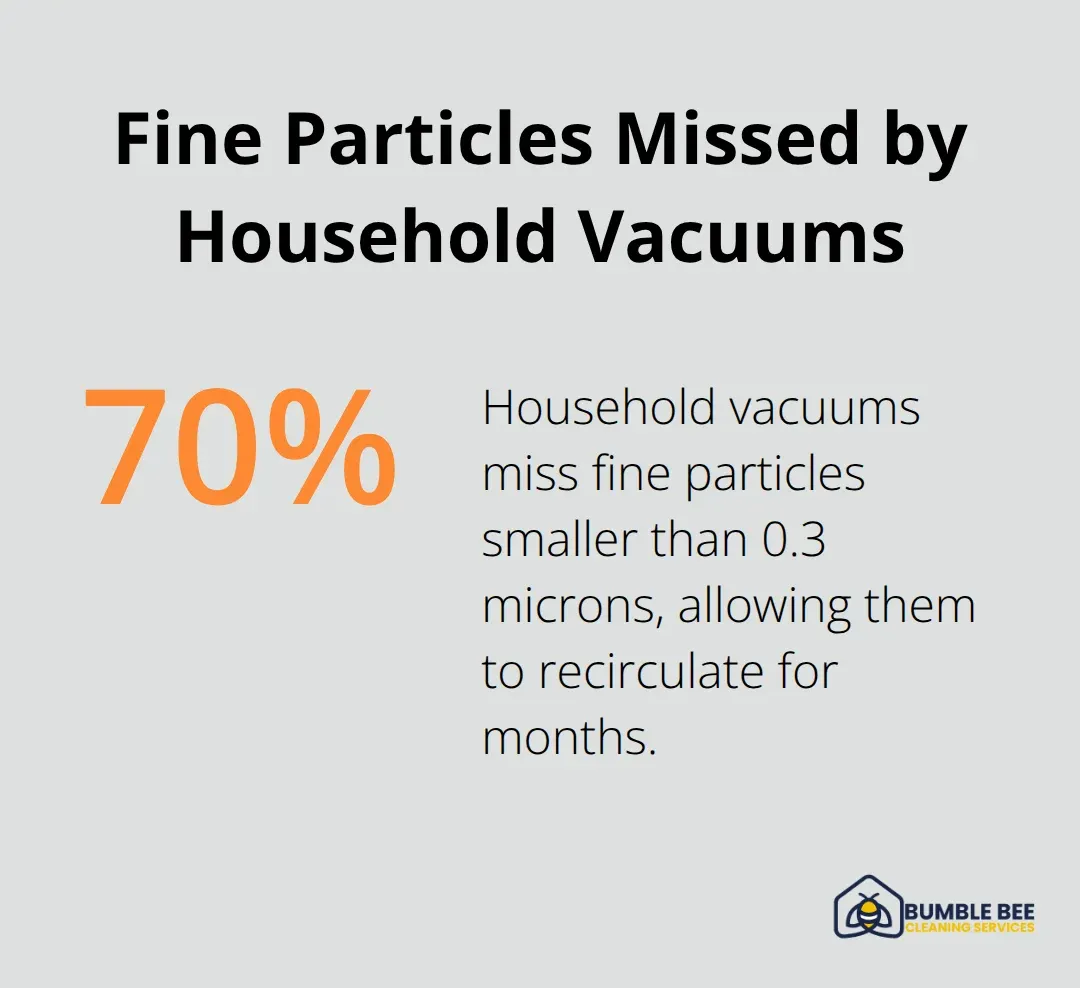
HEPA-filtered vacuums capture particles smaller than 0.3 microns-household vacuums miss roughly 70 percent of these fine particles, allowing them to recirculate through your home for months. Wet-cleaning methods applied to accessible surfaces prevent dust from becoming airborne during removal. Ductwork contamination receives particular attention because construction debris trapped inside ducts delivers contaminated air directly into bedrooms and living areas with every HVAC cycle. Professional cleaning restores full ductwork function and eliminates this direct pathway for respiratory irritants.
How Technicians Remove Debris at the Source
Professional teams physically extract construction fragments rather than push them deeper into insulation. Technicians access insulation batts, remove embedded wood shavings and drywall particles, and replace compressed or moisture-damaged sections. They clear soffit and ridge vents of blockages that trap moisture and prevent air circulation. Ductwork receives special attention-technicians brush interior duct surfaces and vacuum accumulated debris that standard household equipment cannot reach. This source-level approach prevents the long-term problems that develop when debris remains embedded in your attic’s materials. The negative air pressure system (which pulls contaminated air out through filtered exhaust rather than allowing it to escape into your home) protects your family during the entire cleaning process.
Air Quality Verification and Testing
Post-cleaning inspection separates professional work from incomplete jobs. Technicians document that soffit and ridge vents function without obstruction, insulation batts lie undisturbed without compression or moisture damage, and ductwork contains no visible debris or dust coating. Air quality testing with particle counters verifies that airborne contaminant levels have returned to acceptable ranges. Structural assessment identifies moisture-damaged framing, mold growth, or compromised insulation requiring replacement or repair. Many Seattle homes develop hidden mold in attics within weeks of construction completion due to blocked ventilation trapping moisture. The IICRC S520 Standard for Professional Mold Remediation applies when mold growth is discovered, ensuring safe removal without spreading spores into occupied spaces.
Documentation That Protects Your Investment
Photographic documentation provides proof that cleaning meets industry standards and protects your warranty claims if construction defects emerge later. Technicians record before-and-after conditions, debris removal progress, and final verification that your attic meets professional cleaning standards. This accountability distinguishes professional attic cleaning from DIY attempts or inadequate contractor work that leaves debris settled deeper into insulation where it causes long-term problems. Written reports detail moisture readings, ventilation assessments, and any repairs or replacements completed during the service.
Final Thoughts
Professional post-construction attic cleaning protects your Seattle home from months of degraded air quality, structural damage, and health problems that develop silently after work ends. Construction debris settles into insulation, blocks attic ventilation, and migrates into living spaces where your family breathes it daily. The cost of professional cleaning after construction remains minimal compared to replacing damaged insulation, repairing rotted framing, or treating mold infestations that develop when moisture becomes trapped in a contaminated attic.
You should schedule professional attic cleaning within two weeks of construction completion, before debris compresses insulation and moisture damage accelerates. Early intervention prevents the long-term structural problems and health effects that emerge when construction contamination remains in your attic through Seattle’s wet seasons. Waiting until you notice musty odors or worsening allergies means damage has already begun accumulating.
Bumble Bee Cleaning Services brings IICRC certification to post-construction attic cleaning, ensuring your home meets professional standards rather than settling for incomplete contractor cleanup. Our team removes debris at the source, restores attic ventilation function, and documents that your attic is clean and safe. This professional approach protects your investment in construction work and safeguards your family’s long-term health and comfort in your Seattle home.
For more information about our cleaning services in Seattle and Atlanta, or to request a cleaning quote, call or text us at 425-786-1360 or email us at info@qbclean.com
