
Seattle’s wet climate makes basement moisture a persistent problem for homeowners and businesses alike. The combination of heavy rainfall, poor drainage, and foundation cracks creates an ideal environment for mold, mildew, and water damage.
Deep cleaning tackles these issues head-on, but it’s only part of the solution. We at Bumble Bee Cleaning Services help you address moisture problems through professional cleaning techniques paired with practical prevention strategies that keep your basement dry long-term.
Why Seattle Basements Flood So Often
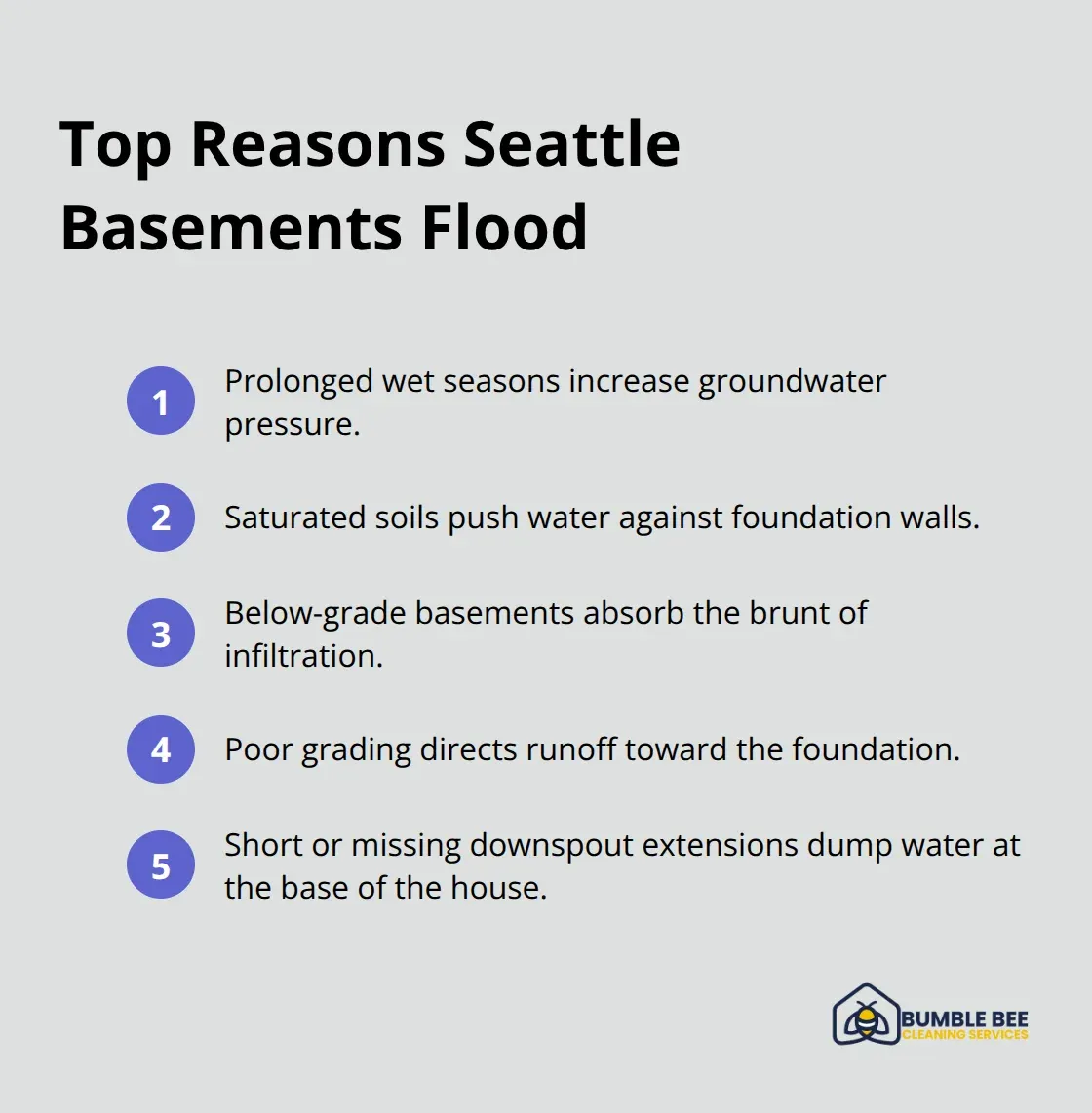
Seattle receives approximately 38 inches of rainfall annually, but the real problem isn’t the total amount-it’s the timing and intensity. The region experiences prolonged wet seasons from fall through spring, creating sustained groundwater pressure that pushes against basement foundations. Hydrostatic pressure refers to the pressure exerted by accumulated water around a foundation, which can lead to water infiltration and subsequent damage. When soil becomes saturated from weeks of continuous rain, water seeps downward and sideways, building force against your foundation walls. Basements sit below ground level, making them the first line of defense against this pressure, which means they absorb the brunt of moisture infiltration before it reaches upper floors.
Foundation Cracks and Drainage Failures
Foundation cracks develop for multiple reasons in Seattle homes. Concrete naturally shrinks as it cures, creating hairline fractures within the first year of construction. Soil movement, especially in areas with clay-heavy composition common around Seattle, causes seasonal expansion and contraction that stresses concrete joints. Older homes often have deteriorating mortar between concrete blocks or bricks, leaving visible gaps where water rushes through during heavy rain. Poor exterior grading compounds the problem significantly. If soil slopes toward your house instead of away from it, rainwater pools against the foundation rather than draining toward the street. Countless Seattle basements experience water intrusion that proper grading alone could have prevented. Gutters and downspouts that empty water directly against the foundation accelerate this damage. Most homeowners don’t realize their downspouts should extend at least 6 feet away from the house; shorter extensions or missing extensions send water straight into the soil surrounding your foundation.
Ventilation and Humidity Create the Perfect Mold Environment
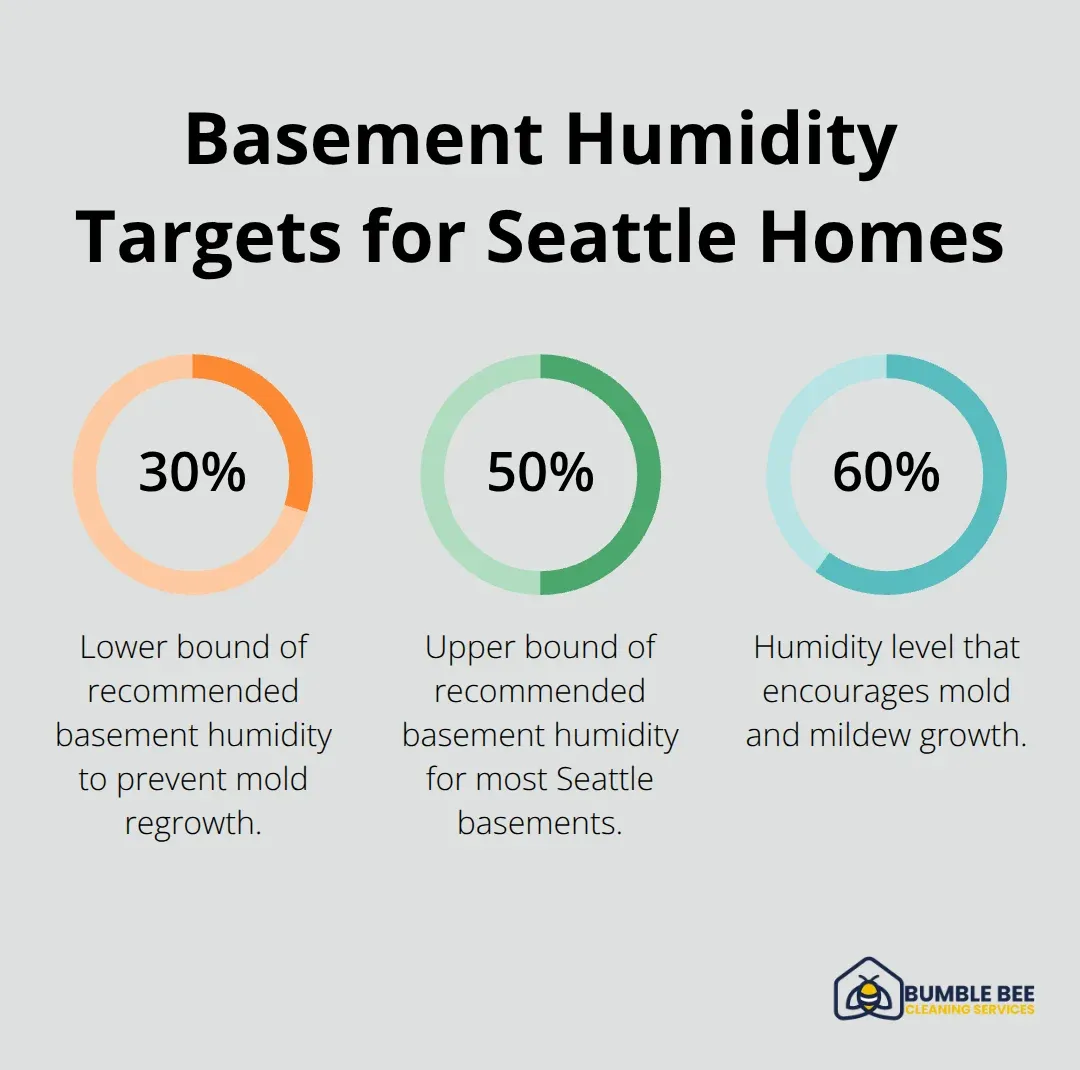
Seattle’s cool temperatures combined with high moisture create conditions where basements stay damp even without active water intrusion. Humidity levels above 60 percent encourage mold and mildew, and basements naturally accumulate moisture through condensation on cold pipes and walls. Many Seattle homes lack adequate basement ventilation, trapping humid air and preventing moisture from escaping. Dehumidifiers help manage humidity levels, but they function as a temporary fix if the underlying moisture source remains unaddressed. A basement with poor ventilation and high humidity becomes a mold incubator within weeks. The musty smell you notice in Seattle basements isn’t just unpleasant-it signals that mold and mildew are already colonizing surfaces. This combination of rainfall-driven groundwater pressure, compromised foundations, and inadequate ventilation makes Seattle basements uniquely vulnerable to moisture problems that require professional attention and a multi-layered solution rather than quick fixes. Understanding these moisture sources sets the stage for effective deep cleaning techniques that actually remove mold and address water damage at its source.
How to Remove Mold, Water Stains, and Seal Your Seattle Basement
Eliminating Mold with Proven Techniques
Mold removal during deep cleaning requires specific techniques that actually eliminate the problem rather than just masking it. The ANSI/IICRC S520 Standard for Professional Mold Remediation outlines containment and barrier methods to prevent cross-contamination, and these same principles apply to your basement. Start with proper protective equipment: an N-95 respirator, long rubber gloves, and goggles are non-negotiable when dealing with mold colonies.
For hard, nonporous surfaces like concrete basement walls and floors, apply undiluted white vinegar directly to mold patches and allow it to dry without rinsing. This approach works because vinegar’s acidity kills mold spores naturally without harsh chemicals. On suitable surfaces, a bleach solution of one cup bleach per gallon of water kills mold effectively, though you should never mix bleach with ammonia or other cleaners. Let the solution sit for several minutes before wiping dry.
For porous materials like wood beams or affected drywall, avoid aggressive brushing that spreads spores into the air. Instead, use a cloth with your chosen cleaner and allow complete drying afterward. If wood surfaces show extensive mold penetration, light sanding followed by thorough HEPA filter vacuuming removes embedded spores, but severely compromised wood should be replaced entirely rather than salvaged.
Cleaning Water Stains and Efflorescence
Water stains and discoloration tell the story of where moisture has been traveling through your basement. Brown, yellow, or chalky marks on walls and floors indicate past water intrusion patterns, and these stains must be cleaned before any sealant application. Efflorescence, the white powdery substance that appears on masonry, signals water pushing through concrete and depositing mineral salts on the surface.
Clean efflorescence with a stiff brush and water, then allow the wall to dry completely before assessing whether deeper waterproofing is needed. This cleaning step reveals the true extent of moisture damage and helps you identify which areas require additional protection or structural repair.
Sealing Surfaces and Installing Drainage Systems
After removing mold and cleaning stains, seal basement surfaces to prevent future moisture penetration. Foundation cracks require concrete or masonry sealants that block water while allowing the wall to move naturally with seasonal foundation shifts. The ANSI/IICRC S500 Standard for Professional Water Damage Restoration defines best practices for inspection, cleaning, and restoration work to address moisture at every stage.
Interior drainage systems and sump pumps direct residual moisture away from walls rather than allowing it to accumulate behind finished surfaces. This multi-layer approach-cleaning, drying, sealing, and installing drainage-addresses moisture comprehensively rather than applying a single quick fix that fails when the next rainy season arrives. Once your basement surfaces are sealed and drainage systems are in place, the focus shifts to maintaining these protections through consistent ventilation and humidity control to keep your space dry year-round.
Protecting Your Basement After Deep Cleaning
Install Sump Pump Systems to Handle Groundwater Pressure
Deep cleaning removes existing mold and water damage, but moisture returns without proper infrastructure in place. Sump pump systems stand as your first line of defense against groundwater pressure. A functioning sump pump removes water that collects in a basin beneath your basement floor, typically pumping 3,000 to 5,000 gallons per day during Seattle’s rainy season. Install the pump in the lowest point of your basement, and extend the discharge pipe at least 10 feet away from your foundation, not just 6 feet as many homeowners assume. The pump’s float switch activates automatically when water reaches 8 to 12 inches in the basin, which means you should test it monthly by pouring water into the sump pit to verify it runs and drains properly. Battery backup systems protect your basement during power outages, when storms knock out electricity exactly when you need the pump most. Interior weeping tile systems installed along your basement perimeter capture water before it seeps through walls and route it toward the sump pump, creating a coordinated drainage network that handles hydrostatic pressure systematically. These systems require professional installation to slope correctly toward the pump, and annual inspections prevent clogging from sediment buildup.
Apply Moisture Barriers and Waterproof Coatings
Moisture barriers and waterproof coatings applied to basement walls and floors create a secondary protective layer. Exterior waterproofing membranes prevent water from entering through the foundation itself, but if exterior access is limited, interior coatings direct any residual moisture toward your drainage system rather than into wall framing where mold thrives behind finished surfaces. These coatings work most effectively when applied to clean, dry surfaces after your deep cleaning work is complete. The combination of interior and exterior protection (when feasible) creates redundancy that protects your investment in deep cleaning and prevents moisture from finding alternative pathways into your home.
Control Humidity Through Ventilation and Dehumidification
Humidity management through ventilation and dehumidification maintains basement conditions that prevent mold regrowth between rainy seasons. Maintain humidity levels between 30 and 50 percent, which dehumidifiers can achieve in most Seattle basements, though the unit size must match your square footage to work effectively.
A 2,000-square-foot basement typically requires a 70-pint dehumidifier running continuously during wet months, not the smaller models many homeowners purchase. Basement exhaust fans installed in walls or windows provide continuous air exchange, particularly important in spaces with poor natural ventilation. These fans should run during and after heavy rainfall to expel humid air before it settles on surfaces. Open windows on dry days rather than relying solely on mechanical systems, as fresh air circulation costs nothing and prevents the stale, musty conditions that signal ongoing moisture problems.
Maintain Your Drainage and Humidity Systems Year-Round
Regular maintenance keeps your drainage and humidity control systems functioning when Seattle’s wet season arrives. Test your sump pump monthly and verify that the discharge pipe remains clear of debris and ice buildup. Check your dehumidifier’s water collection bucket or drainage line to confirm it empties properly, and replace filters according to the manufacturer’s schedule. Inspect basement walls and floors quarterly for new water stains or efflorescence that might indicate a failing seal or drainage problem. Clean gutters and downspouts before fall and spring to prevent water from backing up and pooling against your foundation. These maintenance tasks take minimal time but prevent expensive repairs that result from neglected systems. The combination of proper drainage, sealed surfaces, and consistent humidity control creates an environment where mold cannot establish itself and protects the structural integrity of your home.
Final Thoughts
Deep cleaning removes existing mold and water stains, but its real value emerges when you apply drainage systems and sealants to clean, dry surfaces afterward. Mold spores and mineral deposits won’t interfere with sealant adhesion, and your dehumidifier operates efficiently without fighting established moisture problems. This sequential approach transforms deep cleaning from a one-time event into the foundation of a comprehensive basement moisture control strategy that protects your home for years.
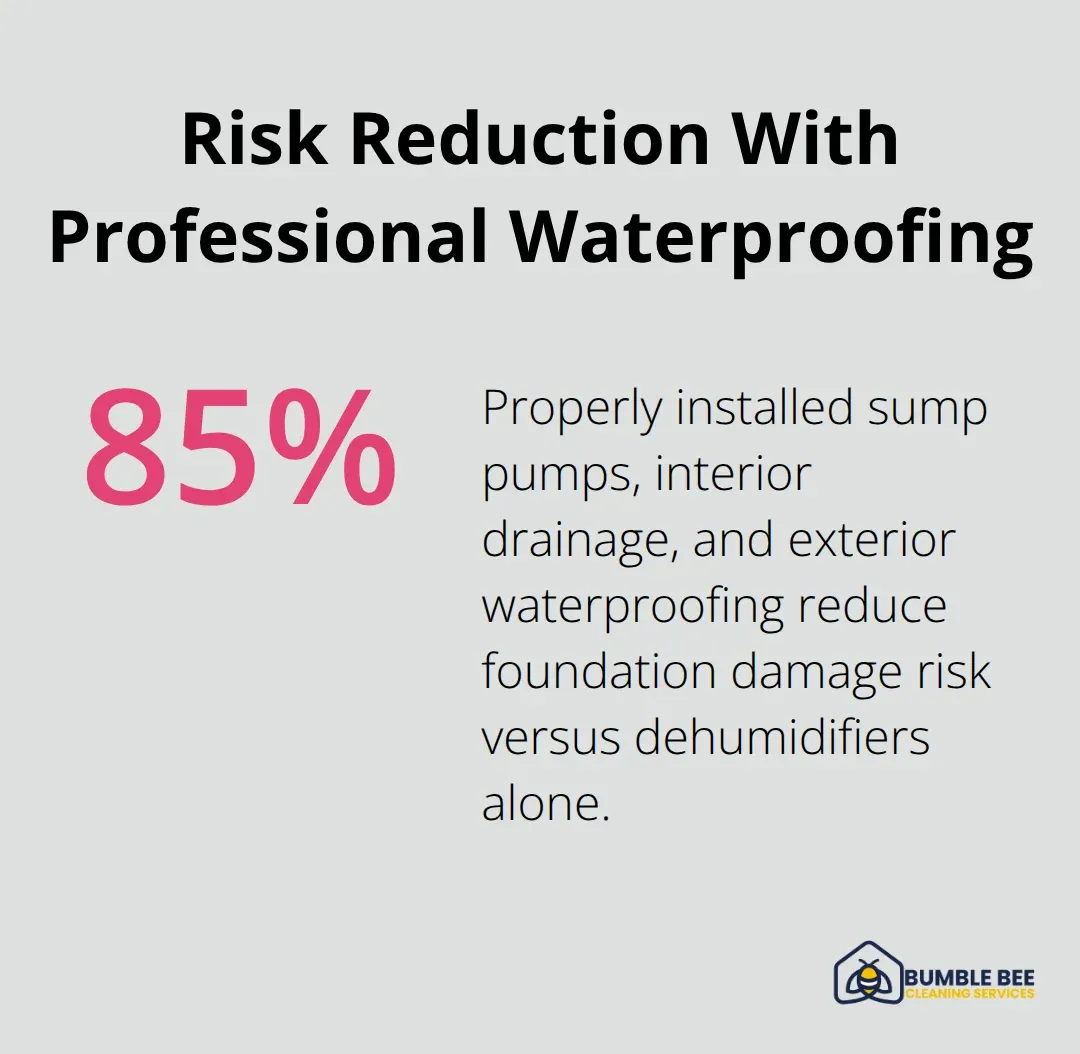
Professional basement care delivers measurable long-term benefits that DIY approaches cannot match. Properly installed sump pumps, interior drainage systems, and exterior waterproofing reduce your risk of foundation damage by 85 percent compared to homes relying on dehumidifiers alone.
You eliminate health risks associated with mold exposure, including respiratory problems and allergies that affect family members and employees in commercial spaces.
Bumble Bee Cleaning Services combines thorough deep cleaning with practical recommendations for drainage improvements, ventilation upgrades, and humidity control systems tailored to Seattle’s climate. Our team follows professional standards for water damage restoration and mold remediation, addressing basement moisture at every level. Contact us to transform your damp basement into a protected, healthy space.
For more information about our cleaning services in Seattle and Atlanta, or to request a cleaning quote, call or text us at 425-786-1360 or email us at info@qbclean.com
