
Seattle daycares face unique challenges in maintaining safe environments for children. With over 400 licensed facilities across the city, each must meet strict state requirements for cleanliness and safety.
Daycare sanitization goes beyond basic cleaning. We at Bumble Bee Cleaning Services understand that proper protocols protect children’s health while giving parents peace of mind about their facility choice.
What Safety Standards Must Seattle Daycares Meet?
Seattle daycares operate under Washington Administrative Code Chapter 110-300, which promotes the health, safety, and well-being of children while expanding access to high quality early learning programs. The Washington Department of Children, Youth, and Families conducts regular inspections of Seattle facilities, with visits that verify compliance with state requirements. Staff background checks include FBI fingerprints, state criminal history reviews, and child abuse registry searches that staff must complete before any employee interacts with children.
State Licensing Requirements Drive Daily Operations
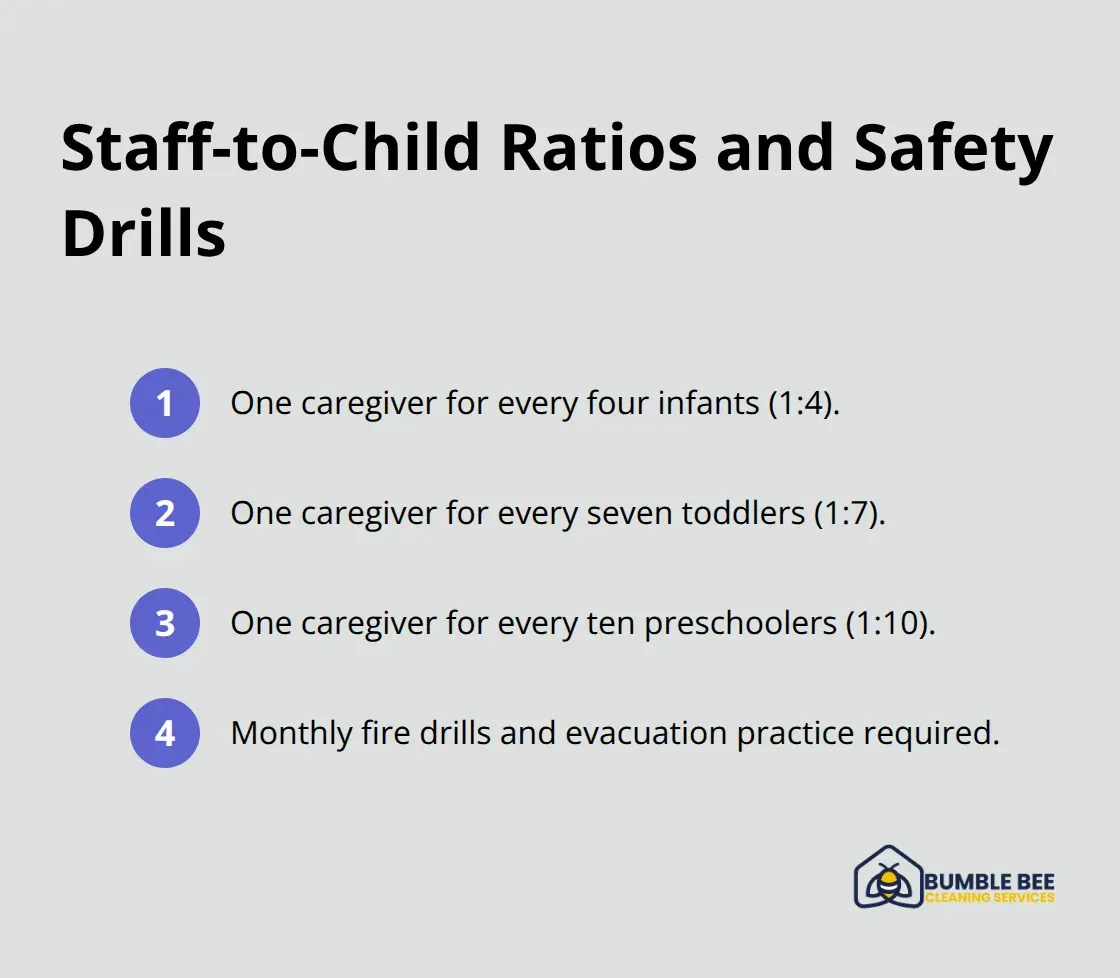
State licensing demands specific staff-to-child ratios that vary by age group: one caregiver for every four infants, one for seven toddlers, and one for ten preschoolers. These ratios directly impact safety outcomes, with facilities that maintain proper ratios showing improved incident prevention. Monthly fire drills and emergency evacuation procedures are mandatory, with staff required to evacuate all children efficiently during practice runs.
Training Certifications Protect Children
Every Seattle daycare employee must complete safety training annually, including CPR certification, child abuse recognition, and emergency response protocols. The most rigorous requirement involves Child Passenger Safety Technician certification for transportation staff, as correctly using appropriate child restraints is the single most effective way to save lives and reduce injuries. This specialized certification from the National Highway Traffic Safety Administration significantly improves transportation safety when facilities implement it properly.
Emergency Response Plans Save Lives
Facilities must maintain written emergency plans that cover fire, earthquake, lockdown, and medical emergency scenarios, with regular reviews required by state law. Staff practice these procedures monthly, and most Seattle daycares provide first-aid training to all employees. Emergency contact systems must reach parents quickly during actual incidents, with backup communication methods required when primary systems fail.
These safety protocols create the foundation for secure environments, but they work best when facilities maintain spotless conditions through proper cleaning and sanitization practices.
How Do Seattle Daycares Keep Everything Clean and Safe?
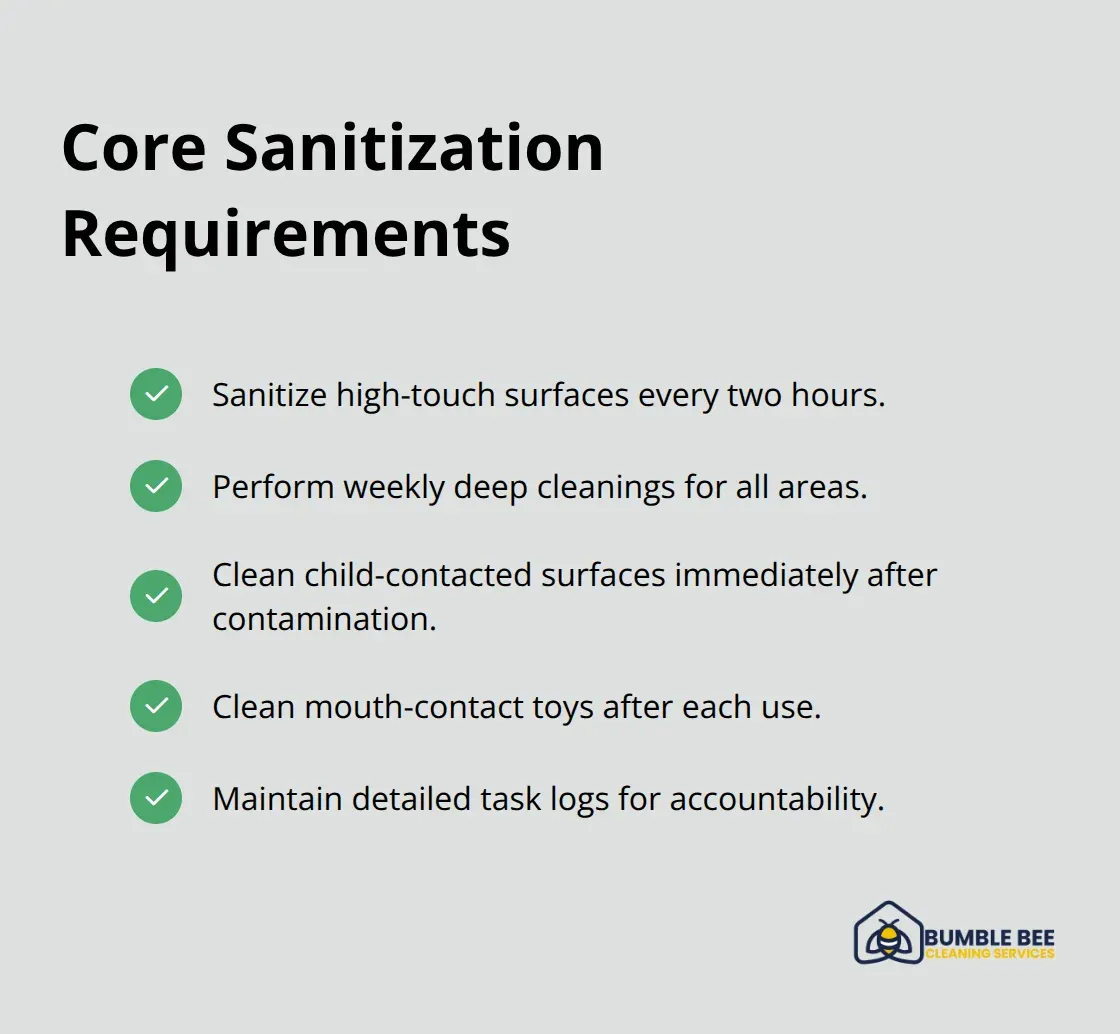
Seattle daycares follow strict protocols that go far beyond what most people see on the surface. Facilities must sanitize high-touch surfaces every two hours during hours of operation, with deep cleanings required weekly for all areas where children play and learn. The Washington Department of Children, Youth, and Families mandates that surfaces contacted by children receive immediate attention after contamination, and toys that go in mouths must be cleaned after each use. Most facilities maintain detailed logs that track when staff completed each task, creating accountability that protects children from illness transmission.
Child-Safe Products Require Special Storage Methods
Daycare facilities can only use products approved by the Environmental Protection Agency for use around children, with many choosing hydrogen peroxide-based solutions over traditional bleach products. Storage regulations demand that all chemicals stay in locked cabinets at least four feet above ground level, completely separate from food preparation areas. Staff must never mix different products, as chemical reactions can create dangerous fumes that harm children’s respiratory systems (which are still developing). The most effective facilities use color-coded cloths that prevent cross-contamination between bathroom surfaces and food preparation areas.
Equipment Sanitization Happens Multiple Times Daily
Toys and play equipment receive the most intensive attention, with facilities required to sanitize items immediately after a sick child uses them. Many Seattle daycares run dishwasher cycles specifically for plastic toys, reaching temperatures that eliminate bacteria and viruses more effectively than hand washing. Soft toys and fabric items go through weekly wash cycles with hot water above 160 degrees Fahrenheit (hot enough to kill most pathogens), while outdoor equipment gets weekly deep cleanings with approved solutions. The most successful facilities rotate toy sets daily, allowing one set to undergo thorough cleaning while children play with freshly sanitized alternatives.
Daily Schedules Create Consistent Safety Standards
Staff follow detailed schedules that specify exact times for surface sanitization, with high-touch areas like door handles and light switches cleaned every two hours. Bathroom facilities receive attention after each use, and diaper-changing stations get sanitized between every child. Food preparation areas follow restaurant-grade standards, with separate sinks for handwashing and food preparation that staff must use correctly. These rigorous schedules create the foundation that supports the physical safety measures facilities implement throughout their buildings, with many facilities utilizing professional disinfecting services that employ hospital-grade sanitization methods.
What Physical Features Make Daycares Truly Safe
Seattle daycares implement layered physical security that goes far beyond basic childproofing. Secure entry systems require keypad codes or card access that change monthly, with visitor management protocols that log every person who enters the facility. The most effective facilities install magnetic door locks on interior rooms that contain hazardous materials, which prevent children from access to supplies or medications even when staff attention shifts momentarily.
Security Systems Protect Against Unauthorized Access
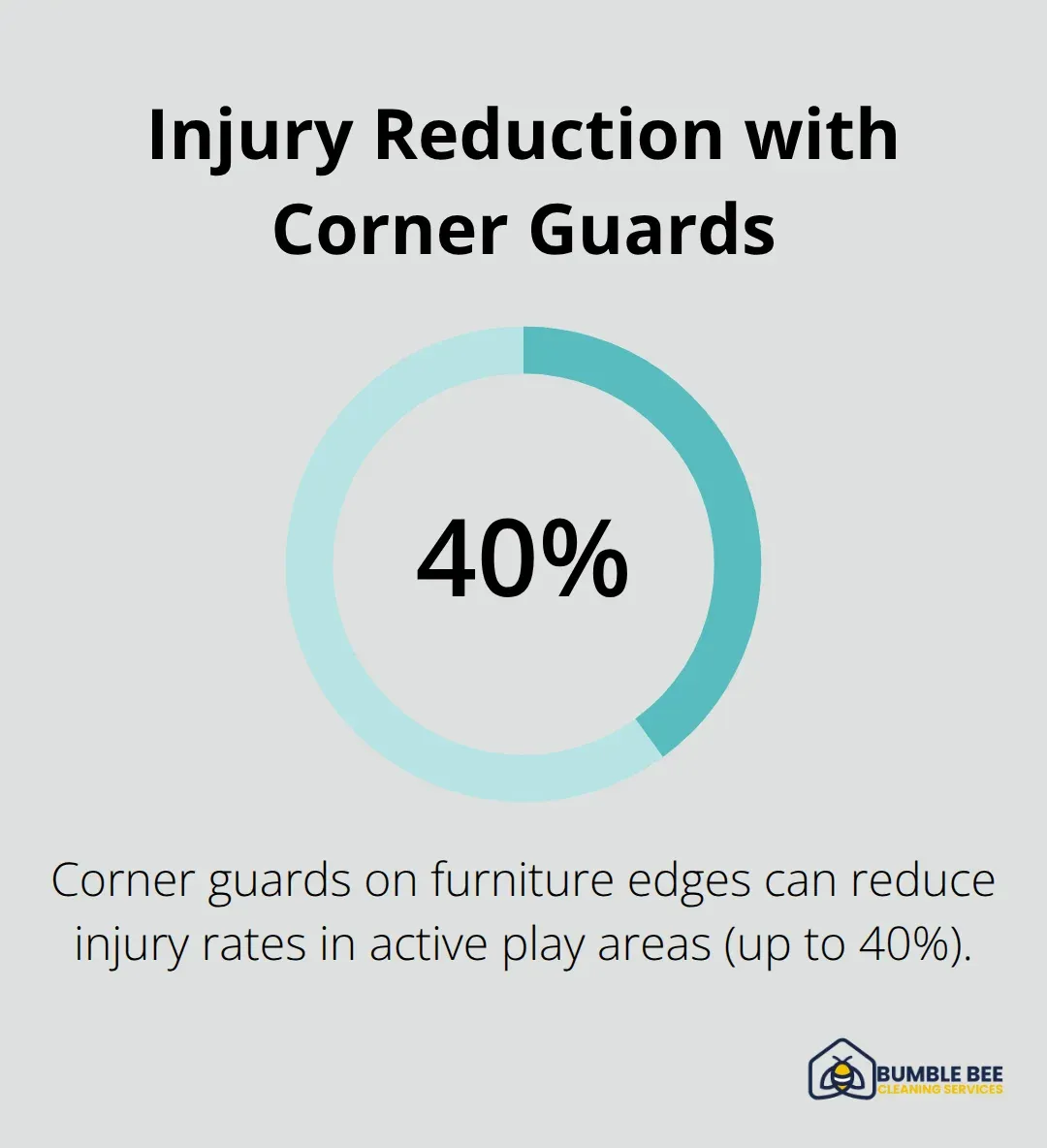
Cabinet latches must withstand 50 pounds of force according to Consumer Product Safety Commission standards, while outlet covers require two-step removal processes that young children cannot complete independently. Window locks prevent falls from second-story facilities, and corner guards on sharp furniture edges reduce injury rates by up to 40% in active play areas. Staff monitor entry points continuously during operational hours, with backup systems that activate when primary security measures fail.
Safe Play Areas Follow Specific Design Standards
Outdoor equipment must meet American Society for Testing and Materials specifications, with fall zones that extend 6 feet beyond swings and 12 feet beyond slides. These zones contain impact-absorbing materials like rubber mulch or engineered wood fiber that cushion falls effectively. Indoor play structures cannot exceed 4 feet in height for preschoolers, with platforms that require guardrails and surfaces that provide adequate traction during wet conditions.
Equipment Inspections Happen Monthly
Staff check for loose bolts, cracked plastic, and worn surfaces that create splinter risks during regular inspections. Facilities document these checks in maintenance logs that state inspectors review during compliance visits. Equipment manufacturers recommend replacement schedules that facilities follow strictly to prevent accidents from worn components.
Air Quality Systems Monitor Indoor Environments
Air quality systems track carbon dioxide levels, humidity, and particulate matter throughout the day. CO2 levels should stay close to 400 ppm and below 800 ppm for optimal indoor air quality. Mechanical ventilation systems exchange indoor air completely every 15 minutes during peak occupancy hours (when the most children are present). Facilities that maintain these standards show significantly lower illness transmission rates compared to those with inadequate ventilation systems.
Final Thoughts
Seattle daycares earn parent trust through rigorous safety protocols that combine state requirements, comprehensive staff training, and meticulous cleaning standards. The most reliable facilities maintain staff-to-child ratios below state minimums and conduct monthly safety drills. These facilities document every cleaning task in detailed logs that demonstrate accountability to parents and inspectors.
Parents should evaluate potential daycares by requesting inspection reports and observing staff interactions during unannounced visits. Ask specific questions about emergency procedures and look for facilities that exceed minimum requirements rather than simply meet them. Check whether staff can explain their cleaning schedules and show you their chemical storage areas (which should remain locked and properly labeled).
Daycare sanitization requires expertise that goes beyond basic housekeeping. Professional cleaning services bring specialized knowledge of child-safe products and protocols that busy daycare staff may struggle to maintain consistently. We at Bumble Bee Cleaning Services understand the unique challenges daycares face and provide the deep cleaning expertise that keeps facilities compliant with state standards while protecting children’s health.
