
Seattle customers are walking away from retail stores that don’t meet their cleanliness standards. Post-pandemic, shoppers expect sanitization to be a given, not a bonus.
We at Bumble Bee Cleaning Services know that retail sanitization directly impacts whether customers return. A clean store isn’t just nice to have-it’s what keeps people coming back and spending money.
What Seattle Shoppers Expect from Retail Spaces Now
Health and Safety Shape Customer Decisions
Post-pandemic, Seattle shoppers evaluate whether a retailer takes health seriously. According to the Logile 2025 Convenience Store Food Quality & Safety Report, 79% of Americans worry about food contamination or spoilage at convenience stores, and 59% won’t buy products if the prep area looks dirty. In Seattle, where environmental consciousness runs high and customers have options, a sanitized retail environment has become the baseline expectation. Shoppers form snap judgments about whether they trust a store within seconds of walking through the door. Dust on shelves, smudged payment terminals, or neglected prep stations trigger immediate distrust-and customers leave without buying anything.
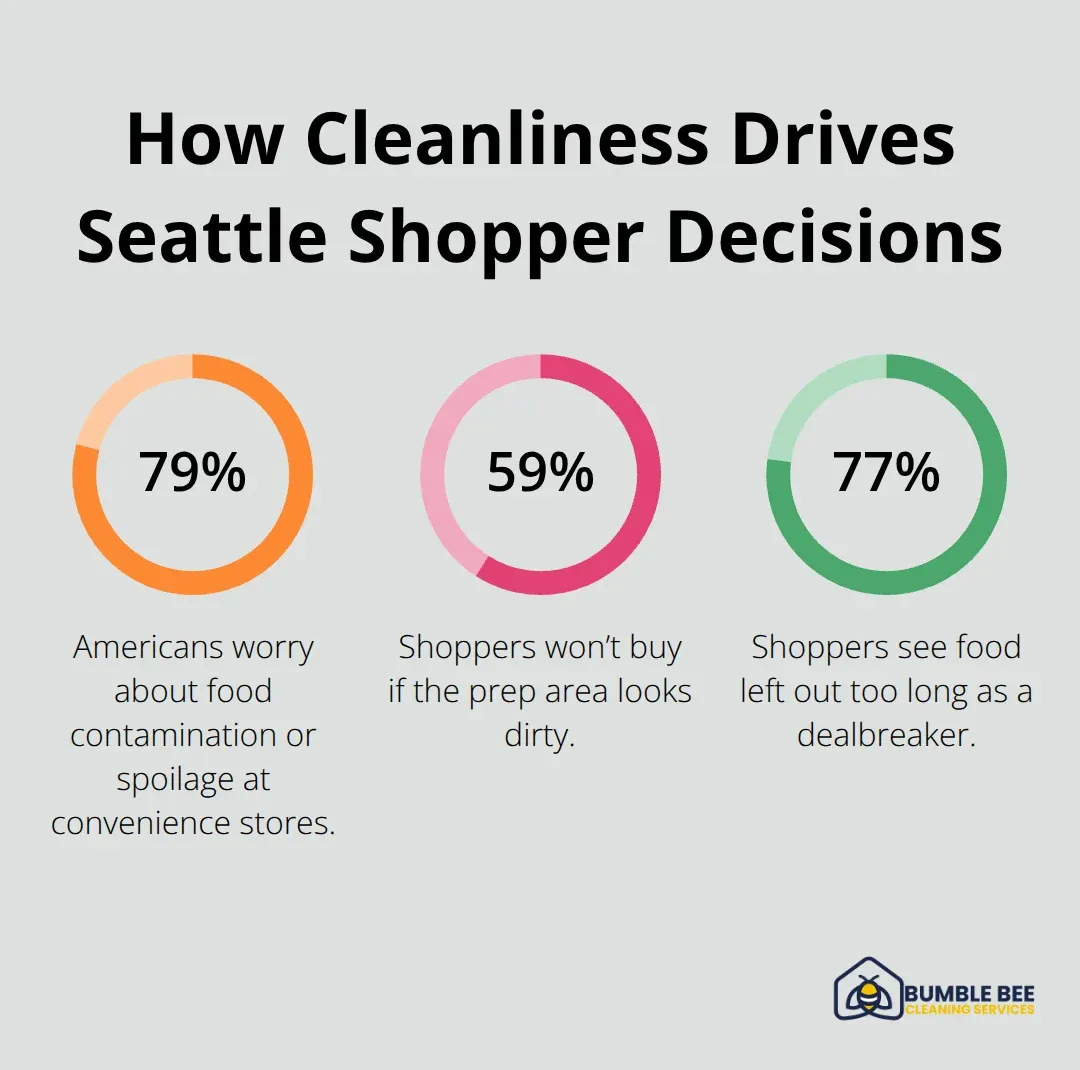
The data from Logile shows that 77% of shoppers view food left out too long as a dealbreaker, and 56% have walked away after seeing an unclean machine. These aren’t edge cases; they represent mainstream customer behavior that directly affects your revenue.
Visible Cleanliness Builds Trust and Loyalty
Trust in a retail space translates into loyalty and repeat visits. Research shows that clean spaces create positive customer experiences, and the same psychology applies to customers-they spend longer in stores where they feel safe and valued. The Seattle Food Code and King County Board of Health Code set strict standards for food contact surfaces and general sanitation, but exceeding those minimum requirements separates thriving retailers from struggling ones.
When customers see visible proof of cleanliness (freshly wiped counters, sanitized shopping carts, disinfected payment terminals), they make purchases and recommend the store to others. Visible cleaning schedules and transparent safety practices matter too. According to Logile, 33% of customers would buy more if they could see cleaning and rotation schedules in-store, and 40% would trust tech-enabled safety systems if they saw procedures being followed.
Cleanliness as Your Competitive Edge
In Seattle’s competitive retail landscape, cleanliness forms the foundation of customer confidence that drives foot traffic and sales. Shoppers don’t just want a clean store-they want proof that you prioritize their safety. This expectation shapes which retailers attract customers and which ones lose them to competitors. Understanding what your customers expect sets the stage for implementing the professional sanitization standards that actually meet those expectations.
What Professional Sanitization Actually Looks Like
EPA-Approved Disinfectants Make the Real Difference
Seattle retailers often confuse basic cleaning with true sanitization, and the difference matters enormously. Sanitization means using EPA-approved disinfectants that kill pathogens on surfaces, not just removing visible dirt. The EPA maintains a list of disinfectants proven effective against common viruses and bacteria, and choosing products from that list is non-negotiable if you want to meet customer expectations.
Many retailers make the mistake of spraying disinfectant everywhere indiscriminately, wasting product and missing the surfaces that actually spread illness. High-touch areas like door handles, shopping carts, checkout counters, payment terminals, and touchscreens are where cross-contamination happens. These surfaces need daily disinfection with EPA-approved products, not weekly or monthly attention.

If you handle food or pharmaceuticals in-store areas, your disinfectant selection must meet strict compliance requirements specific to those products. This means working with a provider who understands Seattle’s regulatory landscape and the Seattle Food Code requirements for food contact surfaces.
Frequency Determines Whether Sanitization Actually Works
Cleaning high-touch surfaces once weekly doesn’t work in a busy retail environment where hundreds of people touch those surfaces daily. You need to disinfect high-touch areas multiple times during business hours, particularly in convenience stores or grocery sections where customer confidence depends on visible cleanliness.
Visible proof of this commitment matters too. Posting cleaning schedules in-store and using uniformed, certified staff signals that sanitization isn’t an afterthought. This transparency builds the customer confidence that drives repeat visits and sales.
Certifications Prove Your Commitment to Real Standards
Look for cleaning partners with ARCSI and IICRC certifications, which indicate staff training and adherence to industry safety standards. These certifications mean your cleaning team understands cross-contamination prevention and uses methods that actually work, not outdated approaches that leave pathogens behind. In Seattle’s competitive market, certifications and visible cleanliness standards separate retailers that customers trust from those they avoid.
When you implement these professional sanitization standards, you’re not just meeting regulatory requirements-you’re creating the visible proof of safety that transforms how customers perceive your store.
How Sanitization Drives Real Revenue Growth
Foot Traffic and Customer Spending Increase With Visible Cleanliness
Clean retail environments attract customers through your doors and keep them shopping longer. Stores with visible sanitization practices see measurable increases in foot traffic because customers feel safe enough to browse, try products, and make purchases. When shoppers encounter disinfected shopping carts, sanitized payment terminals, and clean restrooms, they spend more time in your store and buy more items per visit. This psychology applies directly to retail-a sanitized environment signals professionalism and care, which translates into higher transaction values and repeat visits. Customers who feel confident about cleanliness become loyal customers, and loyalty drives consistent revenue month after month.
Employee Health Directly Impacts Your Bottom Line
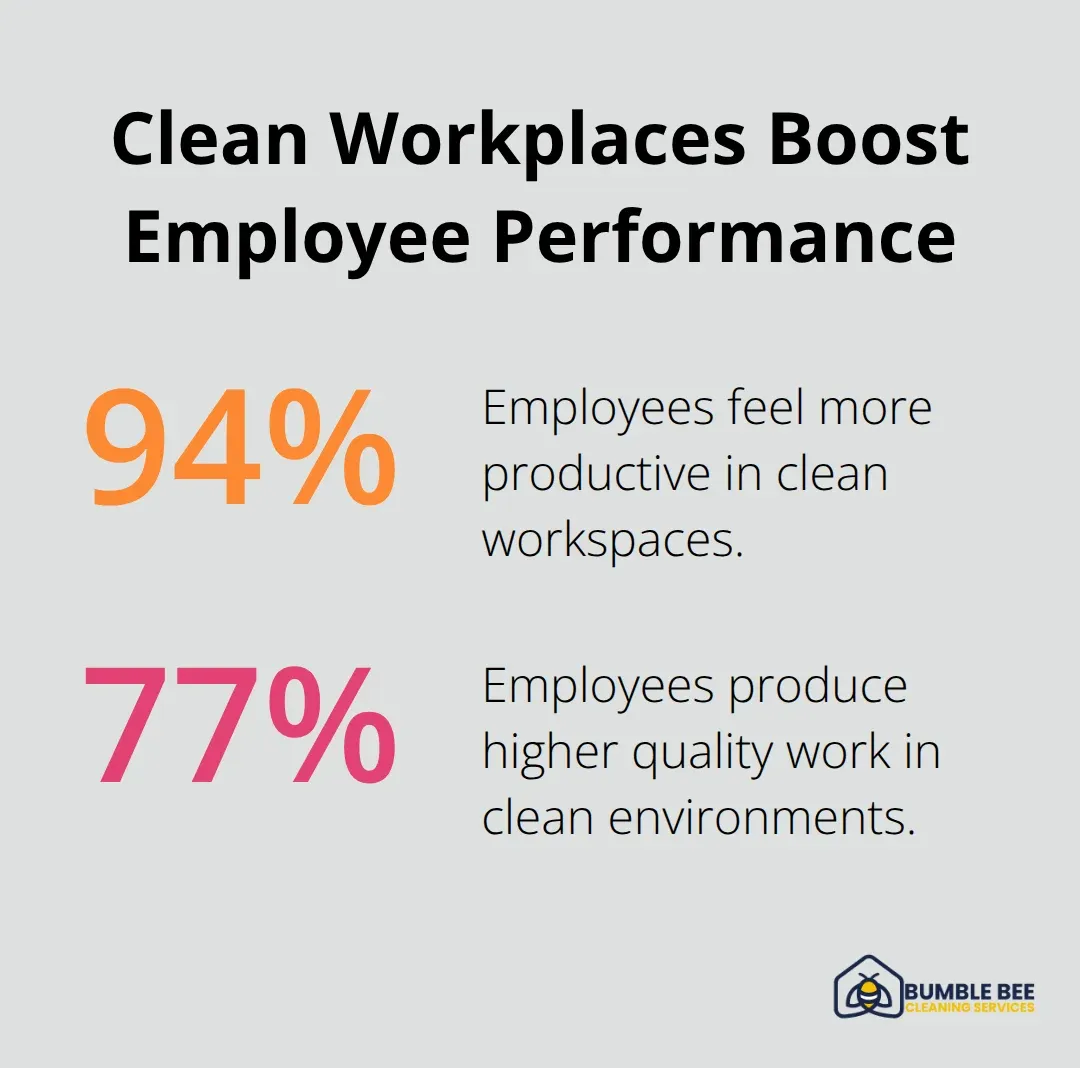
The financial impact extends far beyond customer spending. Employee sick days cost U.S. retailers millions annually, and proper sanitization reduces illness transmission in high-touch work environments. When your team stays healthy, you avoid the productivity drain of absenteeism and maintain consistent service quality that keeps customers satisfied. Research from Staples shows that 94% of employees feel more productive in clean workspaces, and 77% produce higher quality work-benefits that directly affect how your staff serves customers.
Equipment Longevity and Operational Reliability
Sanitization protects your inventory and equipment from contamination and deterioration, extending the lifespan of everything from refrigeration units to point-of-sale terminals. Dust and debris entering cooling and filtration systems cause premature wear that forces costly replacements. A sanitized retail space prevents this damage and keeps your operations running smoothly without unexpected downtime or repair expenses.
Competitive Advantage in Seattle’s Retail Market
In Seattle’s competitive retail landscape, stores that invest in professional sanitization standards gain a measurable advantage over competitors who cut corners. Your customers notice the difference, your employees work in safer conditions, and your bottom line reflects the investment through reduced operational disruptions, lower replacement costs, and stronger customer retention rates.
Final Thoughts
Retail sanitization forms the foundation of a retail business that survives and thrives in Seattle’s competitive market. Your customers have walked away from stores that fail to meet their cleanliness standards, and they will continue to do so. The question isn’t whether you can afford to invest in professional sanitization-it’s whether you can afford not to.
When you implement EPA-approved disinfectants, maintain high-touch surface cleaning throughout business hours, and display visible proof of your commitment to cleanliness, you build the customer confidence that drives foot traffic and increases transaction values. Your employees work in safer conditions, your equipment lasts longer, and your bottom line reflects the investment through reduced sick days and operational disruptions. The retailers winning in Seattle right now make sanitization visible and consistent, signaling to every customer that their safety matters.
We at Bumble Bee Cleaning Services understand what Seattle retailers need to succeed. Contact us to discuss a customized retail sanitization program that meets your store’s specific needs and builds the customer confidence that drives real revenue growth.
